


Production rarely fails because of one dramatic mistake. It breaks down because of small disconnects. It could be a missing component, an outdated revision, a supplier shipping the wrong variant, a planner working from an old spreadsheet, and so on. These gaps often trace back to one overlooked foundation: the Bill of Materials.
Manufacturers continue to face growing pressure to reduce costs, shorten lead times, and manage product complexity. Engineering teams release new versions faster than operations can absorb them. Procurement negotiates contracts without full visibility into component changes. Finance struggles to reconcile standard costs with actual spend. All of these result in confusion across business functions.
Without a clear and controlled Bill of Materials, businesses encounter production delays, excess inventory, compliance risks, and margin erosion. Even minor BOM inaccuracies can ripple across procurement, planning, and manufacturing.
A disciplined approach to BOM management reduces the aforementioned risks. It creates clarity across departments. It provides structure to complexity. Most importantly, it establishes a single source of truth for how a product is built.
What is a Bill of Materials (BOM)?
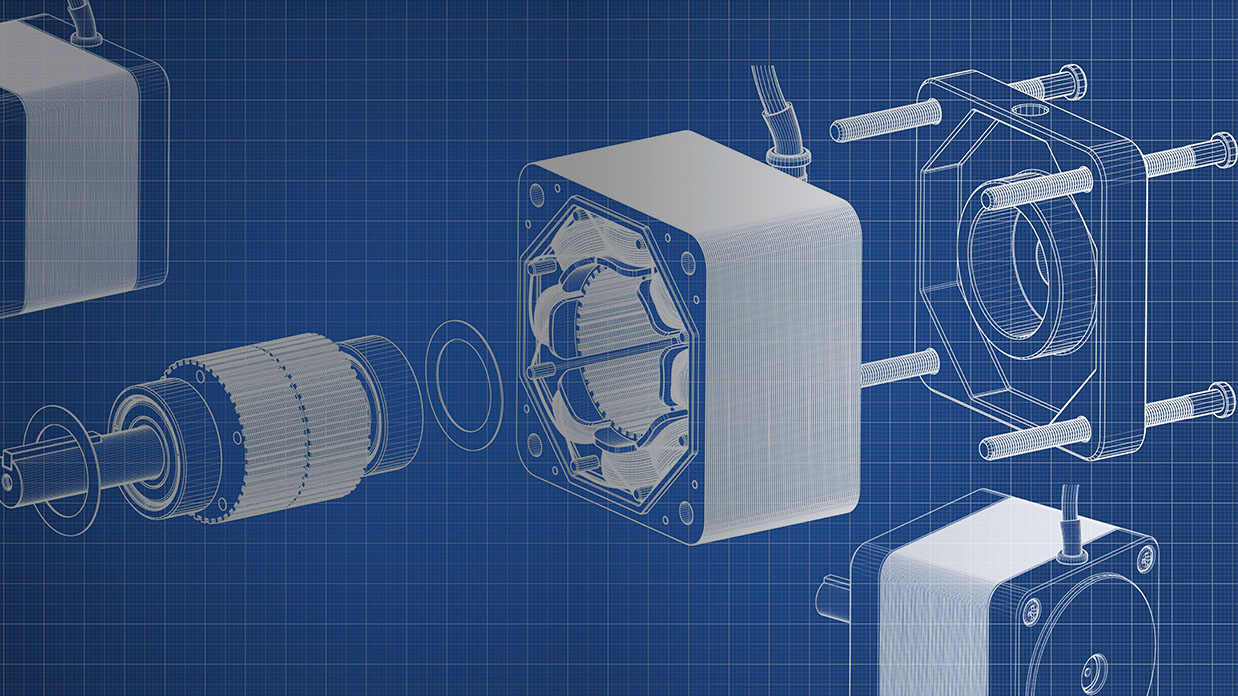
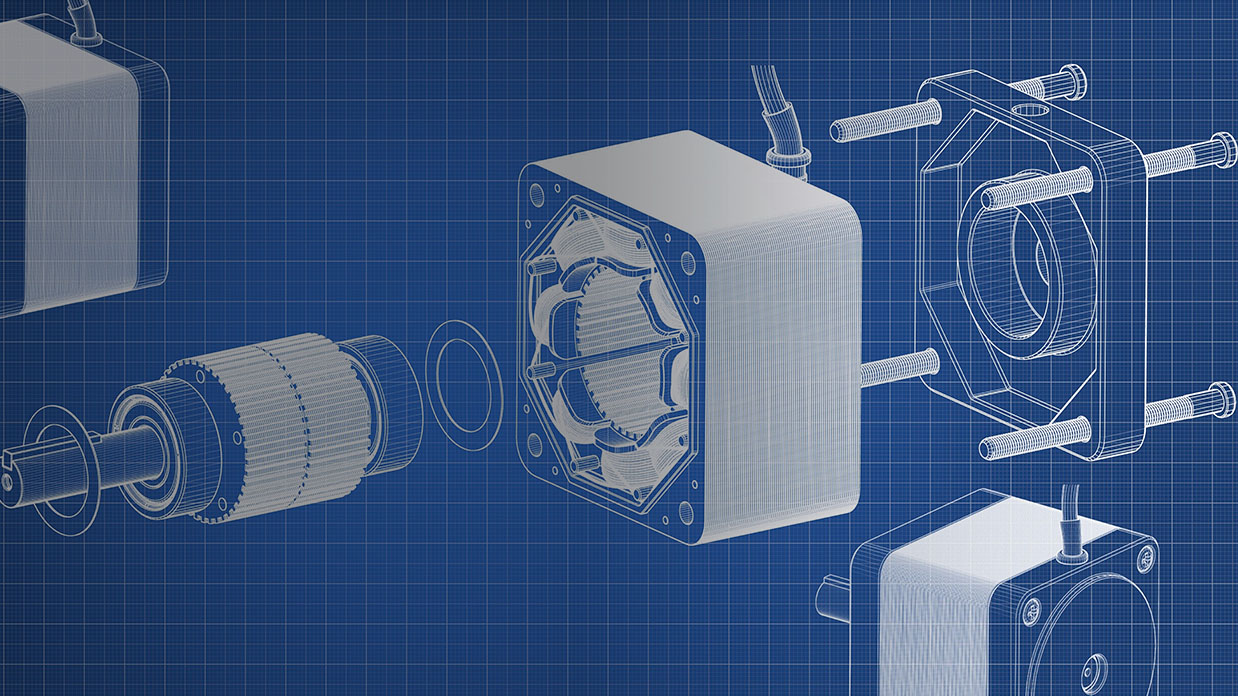
A Bill of Materials, commonly referred to as a BOM, is a structured list of all raw materials, components, assemblies, subassemblies, and parts required to manufacture a finished product. It functions as the blueprint for production.
Think of the BOM as the recipe for a product. Just as a recipe lists ingredients and quantities required to prepare a dish, the BOM defines every item necessary to build a product and specifies how those items fit together.
The document outlines component relationships. It indicates how parts combine into subassemblies and how those subassemblies form the finished good. Each item in the list includes specific identifiers and attributes that guide procurement, planning, and manufacturing.
Engineering teams use the BOM to define product design. Procurement relies on it to source materials. Production teams depend on it to assemble correctly. Finance references it to estimate and control product costs.
A well-maintained BOM connects product design to operational execution.
What is the Primary Purpose of a Bill of Materials?
The primary purpose of a BOM is to provide a complete and accurate representation of absolutely everything required to build a product.
It ensures manufacturing teams know exactly what to assemble. It allows procurement to purchase the correct materials in the right quantities. It supports inventory planning and production scheduling.
Cost management also depends heavily on the BOM. Each component contributes to the total cost of goods sold. A lack of accurate BOM data would most probably result in unreliable cost calculations.
Quality control and compliance further rely on precise documentation. Industries such as automotive, aerospace, electronics, and pharmaceuticals require traceability of components. The BOM provides that foundation.
Ultimately, the BOM aligns engineering intent with operational execution, bridging design, sourcing, and production in a structured way.
Is your sourcing team getting the desired results from auctions?
Drive greater savings with GEP SMART’s intuitive AI-powered sourcing tools
What are the Key Components of a Bill of Materials?
A Bill of Materials contains multiple data fields that define how a product is structured and built. Each element serves a distinct purpose. Together, they create clarity and control.
Part Number
The part number uniquely identifies each component in the BOM. It eliminates confusion between similar items and ensures accurate tracking.
Companies often follow standardized numbering conventions. These may encode product families, categories, or revision levels. A consistent structure prevents duplication and simplifies system integration.
Without proper part numbering, errors multiply quickly. Procurement may order incorrect items. Inventory records may become inconsistent. And finally, production may stall due to mismatches.
Clear identification forms the backbone of BOM integrity.
Quantity
The quantity field specifies how many units of a component are required to build one unit of the finished product or subassembly.
Precision matters. An incorrect quantity disrupts production planning and inventory control. Overstated quantities inflate procurement spend. Understated quantities lead to shortages and delays.
Accurate quantity data enables material requirements planning systems to calculate demand correctly.
Description
The description field provides a detailed information about the component. It clarifies specifications such as size, material type, dimensions, and performance attributes.
Well-written descriptions are key to reducing ambiguity. They help procurement source correctly and assist warehouse teams in identifying items.
Vague descriptions create risk for enterprises. Similar-looking parts may create confusion. Substitutions may occur without approval.
Clarity at this level protects operational stability.
Assembly Level
Assembly level indicates where a component sits within the product structure hierarchy.
Level 0 (zero) typically represents the finished product. Level 1 includes major subassemblies. Lower levels detail the components within those subassemblies.
This aforementioned hierarchical view can enable teams to understand relationships between parts or components. It greatly supports production sequencing and planning.
Without assembly levels, complex products become difficult to manage.
Unit of Measure
The unit of measure defines how a component is quantified. Common examples include pieces, kilograms, liters, meters, or sets.
Consistency is critical. Misalignment between engineering and procurement units creates costly errors. Picture this: a mismatch between kilograms and pounds can unimaginably distort planning.
Standardized units improve accuracy across systems.
Reference Designators
Reference designators identify the exact placement of components within a product, especially in electronics and complex assemblies.
For example, circuit boards use labels such as R1, C3, or U5 to indicate resistor, capacitor, or integrated circuit locations.
Such references help technicians during assembly and repair. They also support quality inspections.
Precise location data too reduces troubleshooting time and improves reliability.
Procurement Type
Procurement type indicates whether a component is manufactured internally or sourced externally.
This classification informs sourcing strategy. It helps planners determine lead times and capacity requirements.
Make-or-buy decisions rely heavily on this attribute. Clear designation prevents confusion between production and purchasing responsibilities.
Also Read: How to Optimize Your BOM Management Process
The Two Bill of Materials Structure
BOMs can typically be structured in different formats, depending on product complexity and business needs. The most common structure are single-level and multi-level BOMs.
Single-level BOM
A single-level BOM presents a flat list of components required to build a finished product.
All materials appear at one level without detailing subassemblies. This format works well for simple products with limited complexity.
Although easy to manage, single-level BOMs lack depth. They do not show relationships between components. What this does is limit visibility for complex manufacturing environments.
Multi-level BOM
A multi-level BOM displays the hierarchical structure of assemblies and subassemblies.
Each level shows how components combine into larger units. This format provides greater transparency into product structure.
Complex industries rely on multi-level BOMs to manage thousands of components. It supports detailed planning, cost roll-ups, and impact analysis during design changes.
Multi-level structures require disciplined maintenance. However, they deliver stronger control over product complexity.
What are the Benefits of a BOM?
A Bill of Materials delivers operational and financial advantages when maintained accurately.
Supports Better Cost Visibility and Control
Every component in any product contributes to the final cost. A structured BOM enables accurate cost roll-ups from raw material to the finished product.
Finance teams can identify cost drivers at a granular level. Procurement can target high-cost components for renegotiation.
Greater visibility strengthens margin management.
Standardized Structure
A consistent BOM structure creates alignment across departments.
Engineering, procurement, and production operate from the same reference point. Standardization reduces errors and improves communication.
It also simplifies system integration across ERP and supply chain platforms.
Availability
Material planning depends on accurate BOM data.
When quantities and components are defined correctly, planners can forecast demand precisely. Inventory levels remain aligned with production schedules. This reduces stockouts and excess inventory.
Better Traceability
Traceability becomes essential in regulated industries.
The BOM links finished goods to specific components and suppliers. In case of recalls or quality issues, teams can isolate affected batches quickly. Documentation supports compliance audits and risk mitigation.
Improves Lead Times
Clear BOM data accelerates procurement and production processes.
Teams avoid delays caused by missing information. Suppliers receive accurate specifications upfront. Cycle times shorten when information flows without confusion.
Also Read: Things to Look for in a Bill of Material Software
Common BOM Challenges and How to Resolve Them
Even experienced organizations struggle with BOM management. The common challenges include:
Inaccuracy
Manual updates quite often introduce errors, which are quite hard to detect. Outdated revisions remain in circulation. Further, duplicate parts too could add to the confusion.
Strong version control and centralized systems reduce these risks. Regular audits also help maintain accuracy.
Inadequate Technology
Spreadsheets cannot manage complex BOM structures effectively.
Disconnected systems create silos between engineering and procurement. Integrated platforms provide better visibility and control.
Technology must support collaboration across functions.
Product Variations
Customization increases complexity.
Multiple product variants lead to multiple BOM versions. Without structured governance, this becomes unmanageable.
Modular design and configurable BOM structures can help control variation.
Steps to Create a Bill of Materials
Creating a BOM requires structured planning and coordination.
Decide Which Details to Capture
Determine the level of detail required. Consider industry regulations, product complexity, and reporting needs.
Capturing too little data creates risk. Capturing excessive detail increases maintenance burden.
Balance is essential.
Bring All BOM Data Together in One Place
Centralize information in a unified system. This ensures engineering, procurement, and production access the same dataset. Fragmented storage leads to inconsistencies.
A single repository improves governance.
Set Who Can Edit the BOM
Access control prevents unauthorized changes. Define clear ownership. Assign responsibility for updates and approvals.
Governance strengthens data integrity.
Establish a Revision Tracking Method
Track changes carefully. Each revision should record date, author, and reason. Historical versions must remain accessible.
Change management protects production continuity.
Pick the Right BOM Format
Choose between single-level or multi-level structures based on complexity. Format influences reporting, planning, and costing processes.
Select a structure aligned with operational needs.
List All Materials and Components
Compile a complete inventory of parts, raw materials, and subassemblies. Validate data with engineering and production teams.
Accuracy at this stage prevents future disruptions.
Update and Refine Over Time
BOM management is continuous. Product improvements, supplier changes, and regulatory shifts require updates. Regular reviews keep the BOM aligned with reality.
Explore 101 AI Use Cases
Real-world use cases that show how AI is transforming every stage of procurement
Role of Agentic AI in Bill of Materials
Manufacturing complexity continues to grow. Product lifecycles shrink. Data volumes increase. Managing BOMs manually becomes unsustainable.
Agentic AI introduces intelligent oversight into BOM management.
Most IT leaders expect AI integration into supply chain and procurement, with a large majority more likely to invest in agentic AI. This type of momentum reflects a broader shift toward intelligent automation.
Agentic AI can detect BOM inconsistencies automatically. It flags duplicate parts, outdated revisions, and mismatched units of measure. It can also monitor supplier changes that may impact components.
It also analyzes cost fluctuations across multi-level BOM structures. When a component price changes, AI models can simulate impact on total product cost instantly.
Beyond monitoring, AI agents coordinate across systems. They synchronize engineering updates with procurement workflows. They ensure that sourcing teams receive real-time notifications when components change. This reduces manual intervention and shortens response time.
Agentic AI strengthens governance while reducing operational burden.
Related Read: AI Redefining Bill of Materials Software
How GEP’s Bill of Materials Software can Help Businesses
Modern manufacturing requires more than static documentation. It requires intelligent control.
GEP’s Bill of Materials software integrates engineering, procurement, and supply chain data within a unified platform. It supports structured multi-level BOM management, automated revision tracking, and cross-functional visibility.
The platform connects BOM data with sourcing, cost analysis, and supplier management. Changes in component specifications reflect immediately across procurement workflows.
GEP SMART's built-in analytics highlight cost drivers and supply risks tied to specific parts. Agentic AI-powered capabilities detect inconsistencies and support scenario modeling. This integrated approach reduces errors, shortens production cycles, and improves cost accuracy.
A disciplined, technology-driven BOM strategy strengthens operational resilience and financial performance.
FAQs
A Bill of Materials lists all components required to manufacture a product, focusing on production and assembly. A Bill of Quantities or BOQ is typically used in construction projects to detail materials, labor, and costs. BOMs support manufacturing processes, while BOQs support project-based cost estimation and contracting.
Labor is usually not included in a traditional BOM, which focuses on physical components. However, routing or manufacturing process documents often capture labor requirements separately. Some organizations integrate labor estimates into extended BOM structures for cost modeling.
An example of a BOM would be the structured list used to manufacture a smartphone. It would include components such as the display screen, battery, circuit board, processor, casing, screws, and packaging materials. Each item specifies part number, quantity, assembly level, procurement type, and so on.